
Malaysia’s Minimum Wage Policy: What Changed and Why
Recent minimum wage adjustments affect workers and employers differently across regions. We break down the current rates, how they vary by state, and what the policy actually covers.

Understanding the Latest Changes
Malaysia’s minimum wage system isn’t a simple one-size-fits-all approach. The country’s policy structure varies significantly depending on where you work and what sector you’re in. If you’re trying to understand how much workers actually earn, or you’re an employer figuring out compliance requirements, the details matter.
What’s changed recently reflects broader shifts in the labor market. The Department of Statistics Malaysia tracks these changes closely through their quarterly labor force surveys. Understanding these updates helps both workers and employers navigate their obligations and expectations.

How Malaysia’s Minimum Wage Works
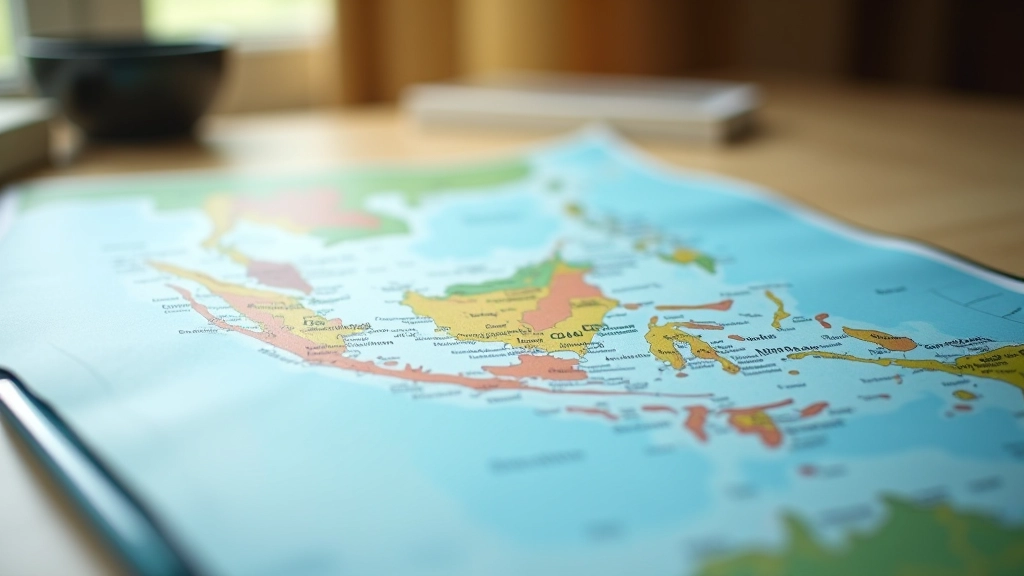
The minimum wage in Malaysia operates on a regional basis. Rather than having one national rate, the government sets different minimums for different states. This means a worker in Kuala Lumpur faces a different wage floor than someone doing similar work in Kelantan or Perlis.
The system divides the country into two categories: federal territories and other states. Federal territories — Kuala Lumpur, Labuan, and Putrajaya — typically have higher minimum wages than most other states. This reflects higher costs of living in these urban centers.
Employers need to know that the minimum wage covers most workers, but not everyone. Domestic workers, agricultural workers in specific situations, and certain other categories fall outside the minimum wage requirement. For those covered, the minimum applies regardless of whether you’re paid hourly, daily, or monthly.
Regional Variations Across States
The differences between regions aren’t small details — they represent real money in workers’ pockets. Understanding your state’s minimum wage is essential whether you’re a job seeker or running a business.
High-Cost Areas
The federal territories command the highest minimum wages due to elevated living costs. Kuala Lumpur’s position as the capital and financial hub means rental prices, food costs, and transportation expenses are significantly higher than in most other states.
Selangor, bordering the capital, also maintains relatively high minimum wage requirements. The state’s rapid industrialization and concentration of manufacturing and service sector jobs means employers there compete for workers with wage offers that reflect regional economic conditions.
Workers in these areas benefit from higher baseline wages, but they’re also competing in labor markets where employers have more options and higher skill expectations.

Other States
States outside the federal territories and Selangor have their own minimum wage structures. These are generally lower, reflecting different cost-of-living realities. A worker in Kedah, Terengganu, or Sabah faces different wage expectations than their counterparts in Kuala Lumpur.
That doesn’t mean employers in these states are underpaying workers unfairly. Local economic conditions, industry presence, and labor supply all influence what constitutes a competitive wage. Some states have strong manufacturing sectors while others rely more heavily on agriculture or tourism.
The variation exists because the government recognizes that RM1,500 buys different things depending on where you live. The policy attempts to balance worker protection with regional economic realities.
Who’s Actually Covered?
This is where things get tricky. The minimum wage doesn’t cover everyone who works in Malaysia. Understanding the exceptions is crucial if you’re negotiating employment or checking if your wages meet legal requirements.
Most private sector workers are covered — people working in retail, manufacturing, hospitality, construction, and services. These are the main groups protected by minimum wage regulations. But there are notable exceptions.
Domestic workers employed in private homes fall outside the minimum wage framework, though they do have other protections. Agricultural workers in certain situations, workers in very small enterprises (under specific criteria), and certain categories of skilled workers operating under special agreements may not be covered either.
Civil servants have their own salary structures unrelated to minimum wage. The same applies to certain professional categories. If you’re unsure whether you’re covered, checking with your state’s labor office clarifies the situation.

Real-World Impact on Workers and Businesses
Policy changes on paper translate to real consequences for actual people. Understanding these impacts helps you grasp why minimum wage discussions matter beyond just numbers.
For Workers
A wage floor provides some security. You know your employer can’t pay you below a certain amount, which affects your ability to cover basic expenses. In high-cost areas, even the higher minimum wage can feel tight when factoring in rent, transportation, and food costs. Workers often juggle multiple jobs or rely on overtime to reach comfortable living standards.
For Small Businesses
Small employers face pressure balancing wage requirements with operational costs. A restaurant, retail shop, or service business operating on thin margins needs to carefully plan staffing levels and pricing. Some adapt by reducing hours, automating certain tasks, or adjusting service models. Others simply absorb the cost increases and accept lower profit margins.
For the Labor Market
Minimum wage policies influence how workers move between regions and sectors. Higher wages in federal territories attract workers from other states, affecting labor supply across the country. This creates ripple effects in smaller towns where employers struggle to compete for workers. The Department of Statistics Malaysia tracks these movements through quarterly surveys.
Key Takeaways
Malaysia’s minimum wage system reflects the country’s regional diversity. It’s not uniform, and that’s intentional. The policy recognizes that economic conditions, living costs, and labor markets differ significantly between federal territories and other states.
For workers, understanding your state’s minimum wage helps you know your rights and what employers can legally offer. For employers, compliance means knowing your specific regional requirements and which worker categories fall under minimum wage protections.
The system continues to evolve. Government reviews and adjustments happen periodically, and staying informed about these changes matters if you’re in the labor market. The Department of Statistics Malaysia publishes quarterly labor force surveys that provide detailed data on employment trends, wage movements, and workforce participation across all states.
Want to dig deeper? Check DOSM’s quarterly labor force reports for comprehensive state-by-state employment data and wage trend analysis.



Educational Information Disclaimer
This article provides educational information about Malaysia’s minimum wage policy structure and regional variations. It’s designed to help you understand the general framework and how the system works. Employment law and wage regulations can change, and specific circumstances vary widely based on your state, employer, employment contract, and job category. If you’re dealing with wage-related concerns, have questions about whether you’re covered by minimum wage requirements, or need to understand your specific obligations as an employer, consult with your state’s labor department, a human resources professional, or an employment law specialist. This information isn’t a substitute for professional advice tailored to your particular situation.